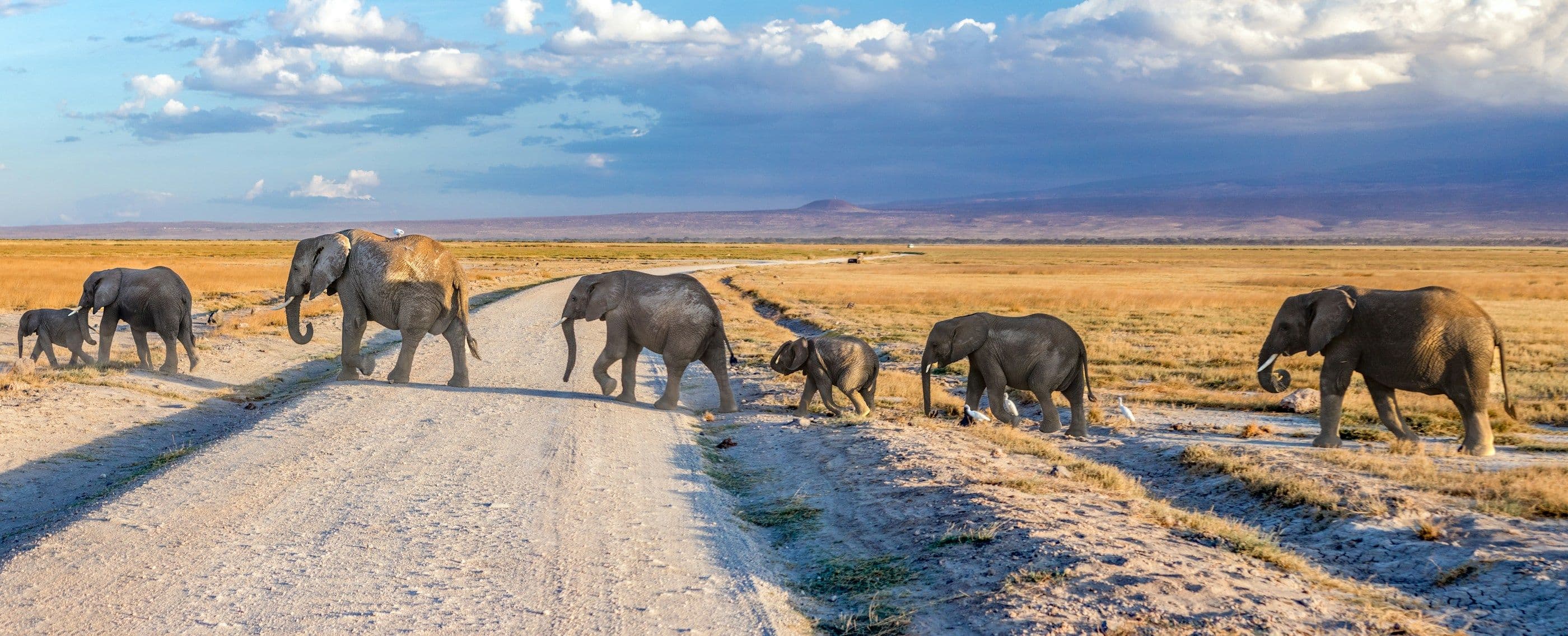
Safari
Safari Holidays, Up Close with Nature
A safari is a holiday shaped by wildlife and landscape. You head out with a guide in the cool of the early morning, return to your lodge or camp as the day warms up, and go out again in the late afternoon, when the light softens and the animals start to move.
Safaris range from classic game drives in large national parks to small camps in private reserves, and from simple tented camps to lodges with pools and spas. Where you go, when you travel and how you divide your nights make a real difference to what you see and how the holiday feels. That is where an independent UK travel agency like Auria can help.
What is a day on safari like?
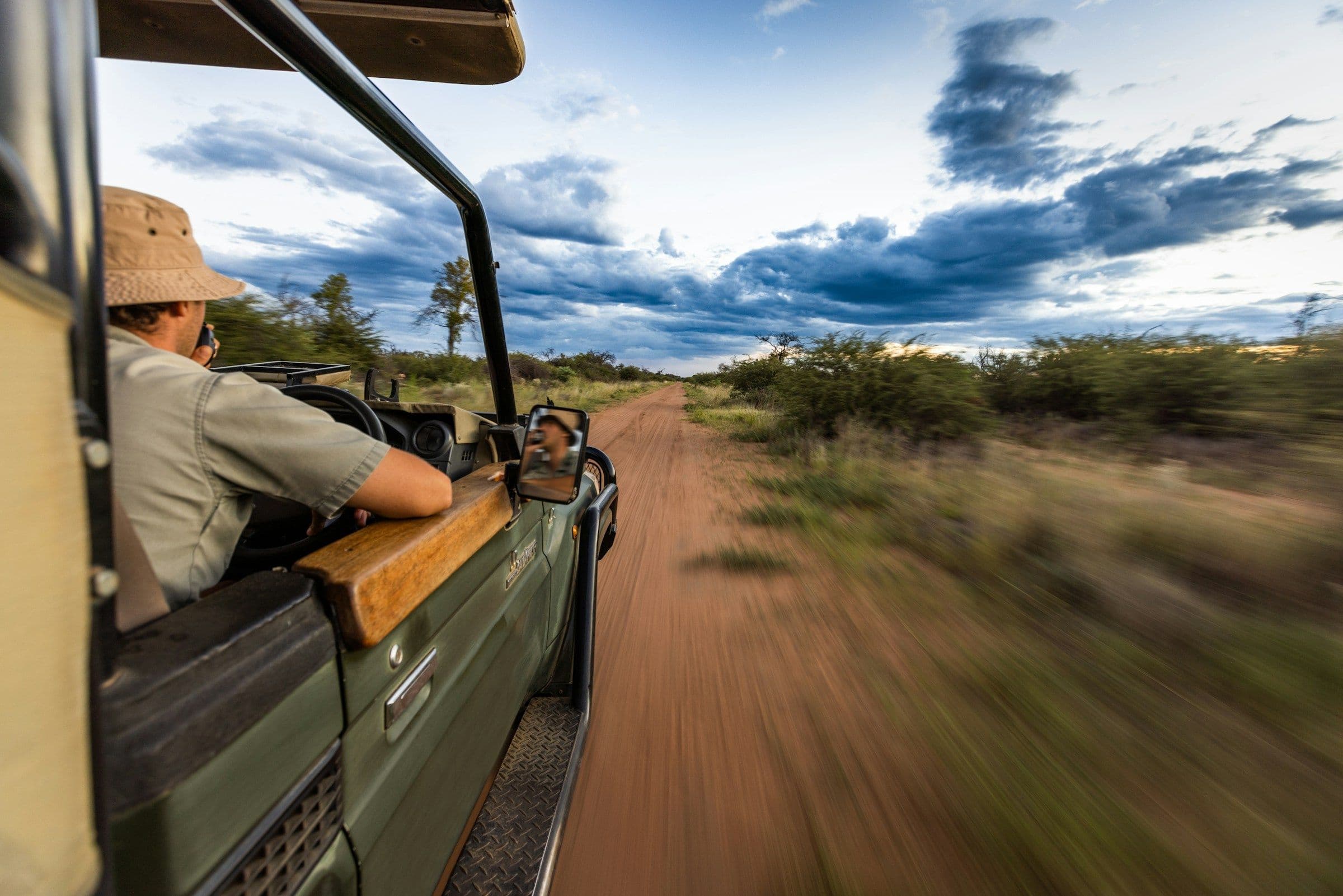
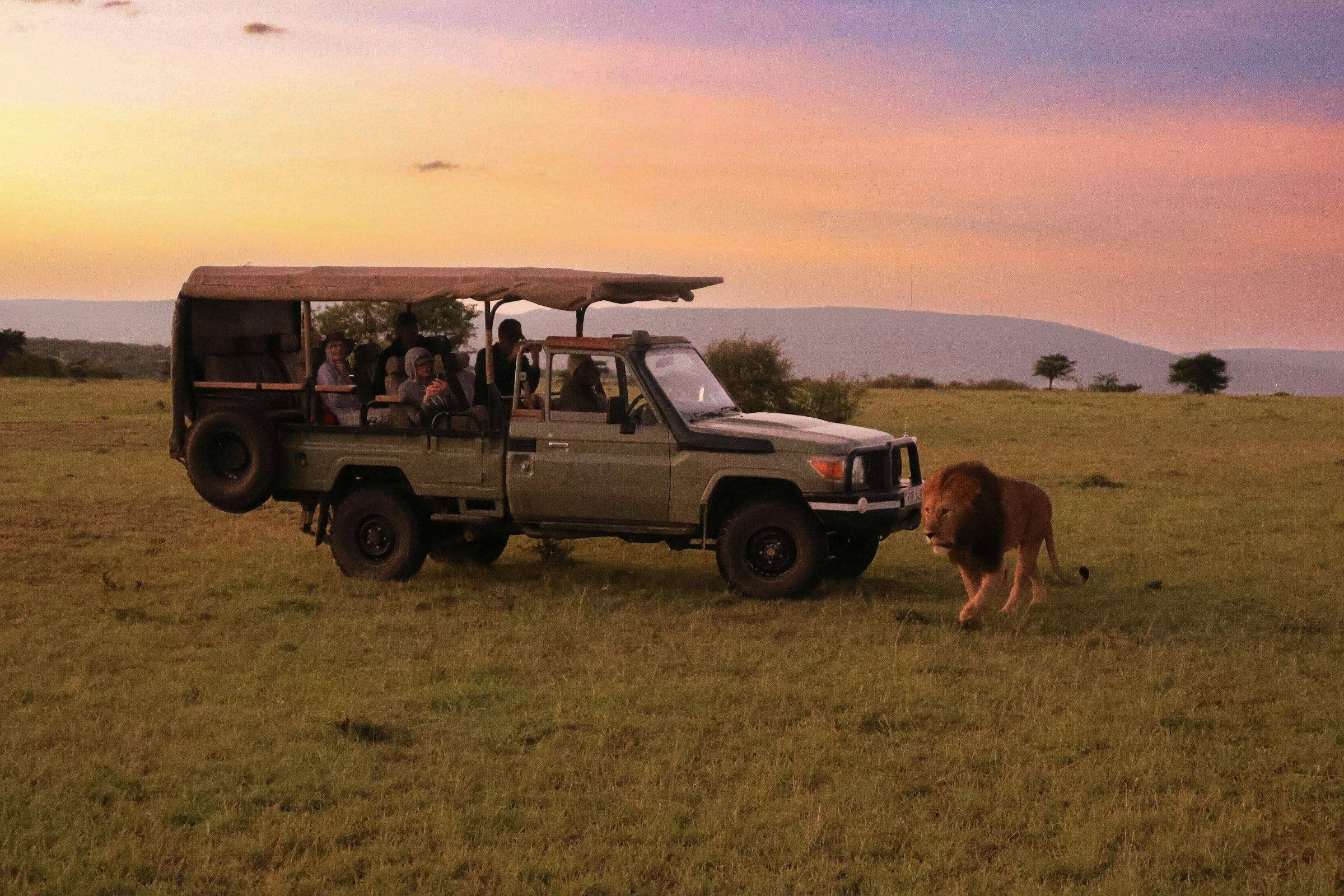
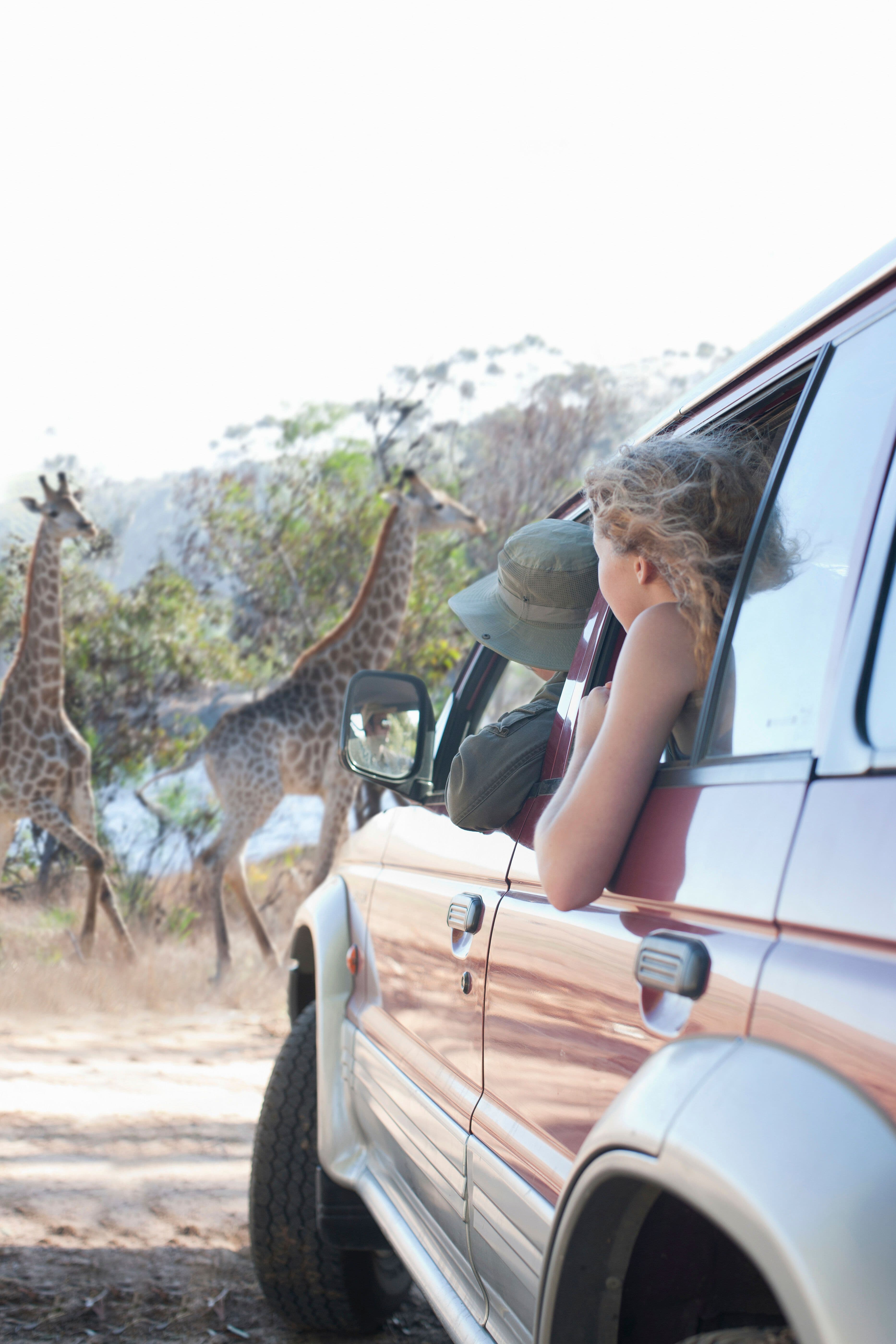
Most safari days follow the same rhythm. An early wake-up, often with coffee brought to your room or tent, is followed by a morning game drive of three or four hours, when many animals are most active. You come back for a late breakfast or brunch, and the middle of the day is yours: a rest, a swim, or time watching the waterhole from the deck.
In the late afternoon you set out again, often stopping for a drink as the sun goes down, before dinner back at camp. Your guide makes the difference, reading tracks, knowing where animals are likely to be and explaining what you are seeing. Depending on where you stay, there may also be guided walks, boat trips or night drives.
Choosing the right safari for you
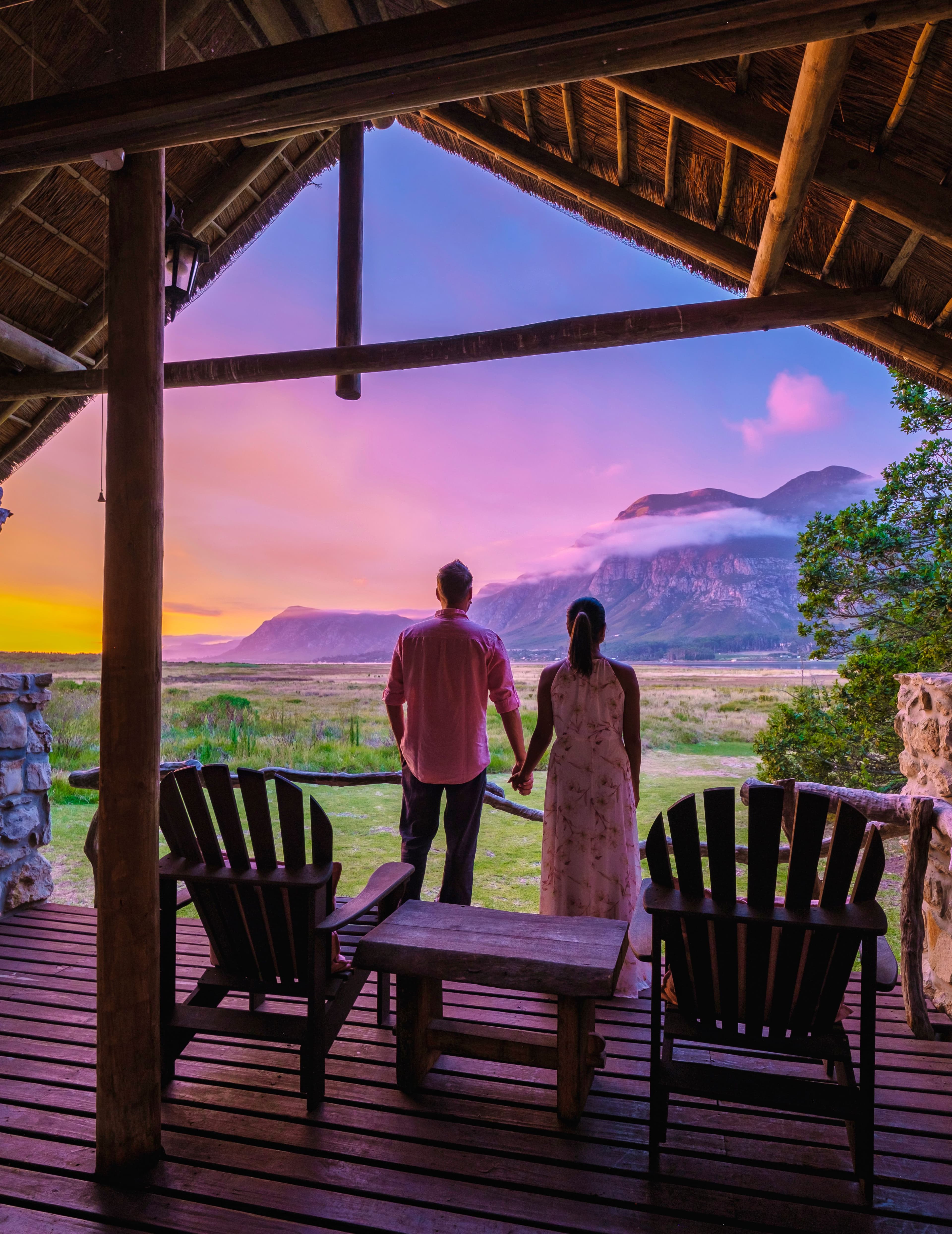
There is no single best safari. The right one depends on what you most want to see, how you like to travel and who is coming with you.
- Wildlife and landscape
- Each region has its own character: big herds on open plains, water-based safaris in a delta, desert scenery or dense bush. It helps to decide what matters most to you.
- National park or private reserve
- Large national parks cover vast areas and can be good value, though a popular sighting may draw several vehicles. Private reserves and conservancies limit vehicle numbers and often allow off-road driving, night drives and guided walks.
- Lodge or tented camp
- A tented camp is usually small, with canvas walls and the sounds of the bush close by, yet often a proper bed and an en-suite bathroom. Lodges tend to be larger, with solid walls and more facilities. Both range from simple to very luxurious.
- Drive-in or fly-in
- Some safari areas can be reached by road, particularly in South Africa and Kenya. Others rely on small aircraft between airstrips, which saves time but brings strict luggage limits.
- How many nights
- Three or four nights in one place gives time for varied sightings without feeling rushed. Many itineraries combine two or three areas to see different landscapes.
- Who is travelling
- Families, couples and first-time visitors often want different things, from a lodge with a pool and family rooms to a remote camp for a honeymoon.
We can help you weigh these against your budget and the time you have.
Where can you go on safari?
Most safari holidays are in East or Southern Africa. Each country offers something different, and many itineraries combine two.
- Kenya
- The Masai Mara and its neighbouring private conservancies are known for big cats and, in season, the Great Migration. Amboseli adds views of Kilimanjaro, and the coast is a short flight from Nairobi.
- Tanzania
- The Serengeti and the Ngorongoro Crater are among Africa’s best-known wildlife areas, and the herds of the Great Migration spend much of the year in the Serengeti. Zanzibar is easy to add for time on the beach.
- South Africa
- Kruger National Park and the private reserves on its western side, such as the Sabi Sand, are known for Big Five game viewing and combine well with Cape Town or the Garden Route. Some reserves, such as Madikwe and those in the Eastern Cape, are malaria-free.
- Botswana
- The Okavango Delta offers safaris by mokoro (a traditional dug-out canoe) and boat as well as by vehicle, and Chobe is known for its large numbers of elephants. Camps are small and mostly reached by light aircraft.
- Zambia and Zimbabwe
- Known for walking safaris and experienced guiding, especially in Zambia’s South Luangwa, and for Victoria Falls on the border between the two.
- Namibia
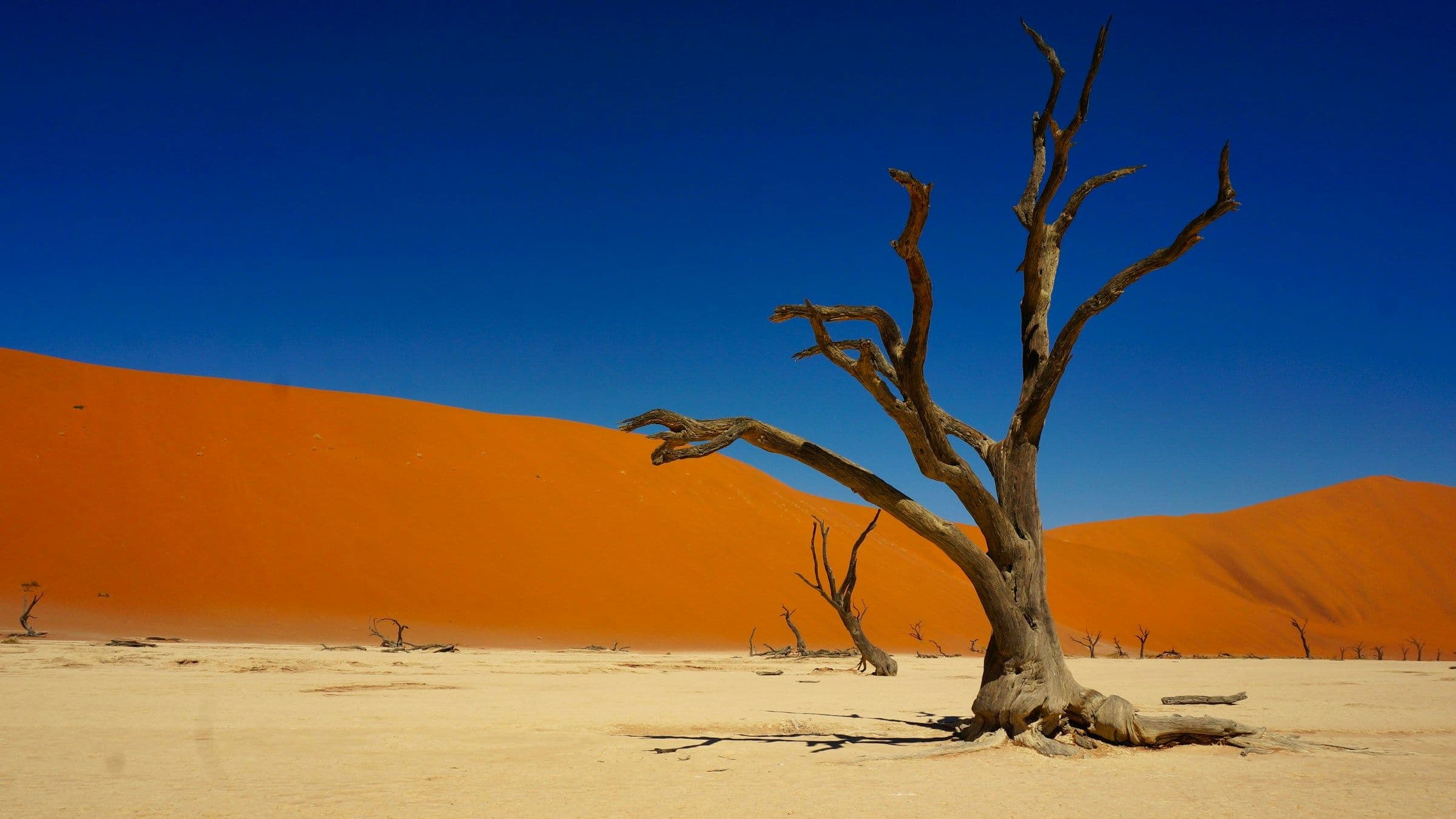
- Desert landscapes, the dunes of Sossusvlei and wildlife around the waterholes of Etosha, often explored as a guided or self-drive road trip.
When is the best time to go on safari?
There is no single best month, because the seasons differ from one region to the next. As a general guide, the dry season is often easier for game viewing: the vegetation thins out and animals gather near water. In much of East and Southern Africa this is roughly June to October, which is also when many camps are busiest and most expensive.
The wetter green season brings lush landscapes, newborn animals, excellent birdlife and fewer visitors, often at lower prices. Some areas become harder to reach and some camps close during the heaviest rains, so it is worth checking before you fix your dates.
The Great Migration follows the rains rather than the calendar. The herds usually calve in the southern Serengeti around January and February and are often in the northern Serengeti and the Masai Mara from about July to October, but timings vary from year to year and river crossings are never guaranteed.
Planning your first safari
A few practical points help a first safari go smoothly.
- Early starts
- Game drives usually begin around dawn. Mornings and evenings in an open vehicle can be surprisingly cold, even when the days are hot, so pack layers.
- What to pack
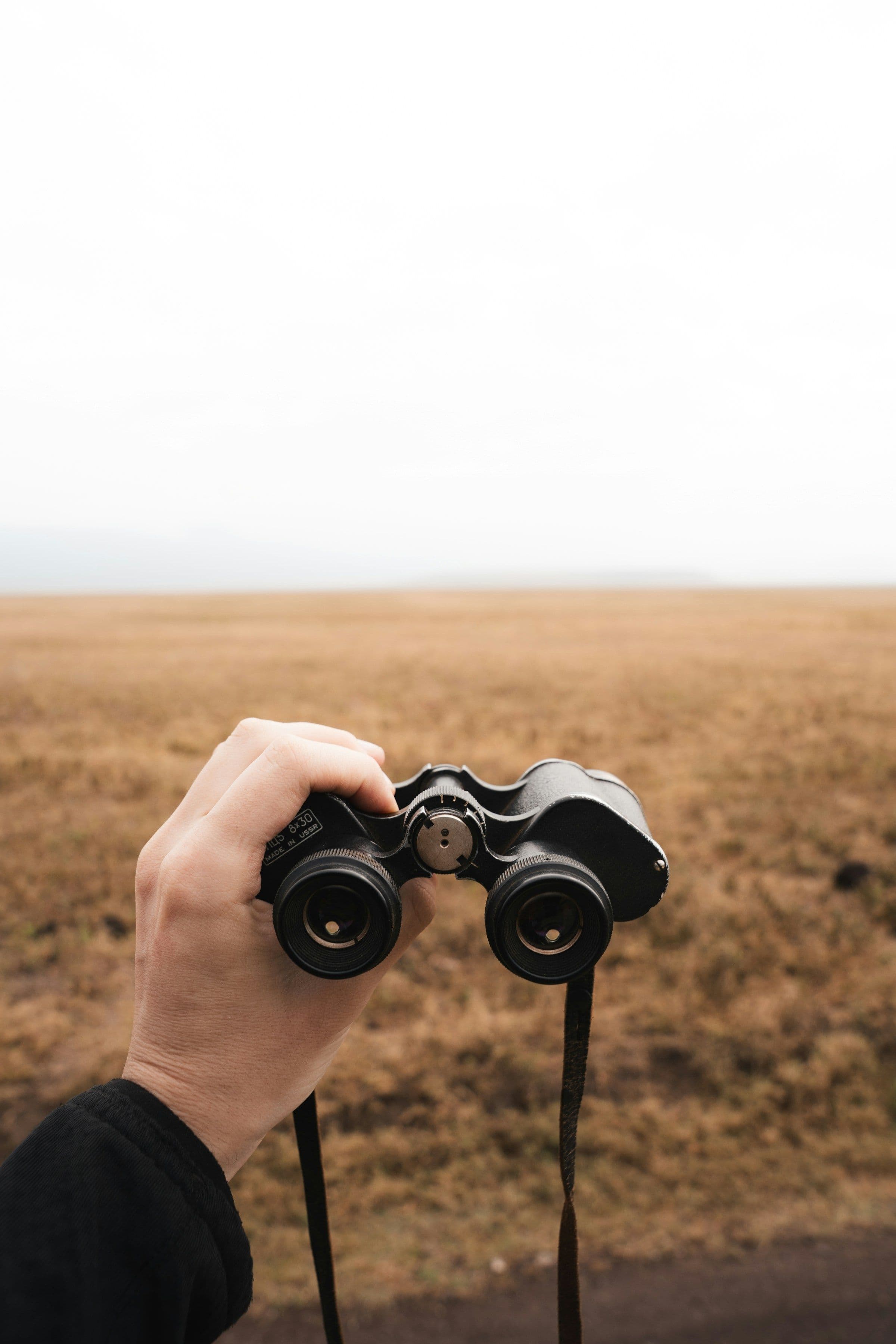
- Neutral colours, a warm fleece, a hat, sun cream and a good pair of binoculars each. A camera with a zoom lens helps, but many of the best moments are simply watched.
- Luggage on light aircraft
- Flights between camps usually have strict weight limits, often around 15 to 20 kg including hand luggage, and require soft bags rather than hard cases.
- Health
- Many safari areas carry a risk of malaria, and some routes have vaccination or certificate requirements. Speak to your GP or a travel clinic well before you travel, and check the current advice on TravelHealthPro and GOV.UK.
- Children
- Many lodges welcome families, but minimum ages vary, often from around six for game drives and higher for walking safaris. Malaria-free reserves are a popular choice with younger children.
- Travel insurance
- Arrange suitable travel insurance when you book, including cover for medical treatment and evacuation from remote areas.
Combining a safari with a beach stay
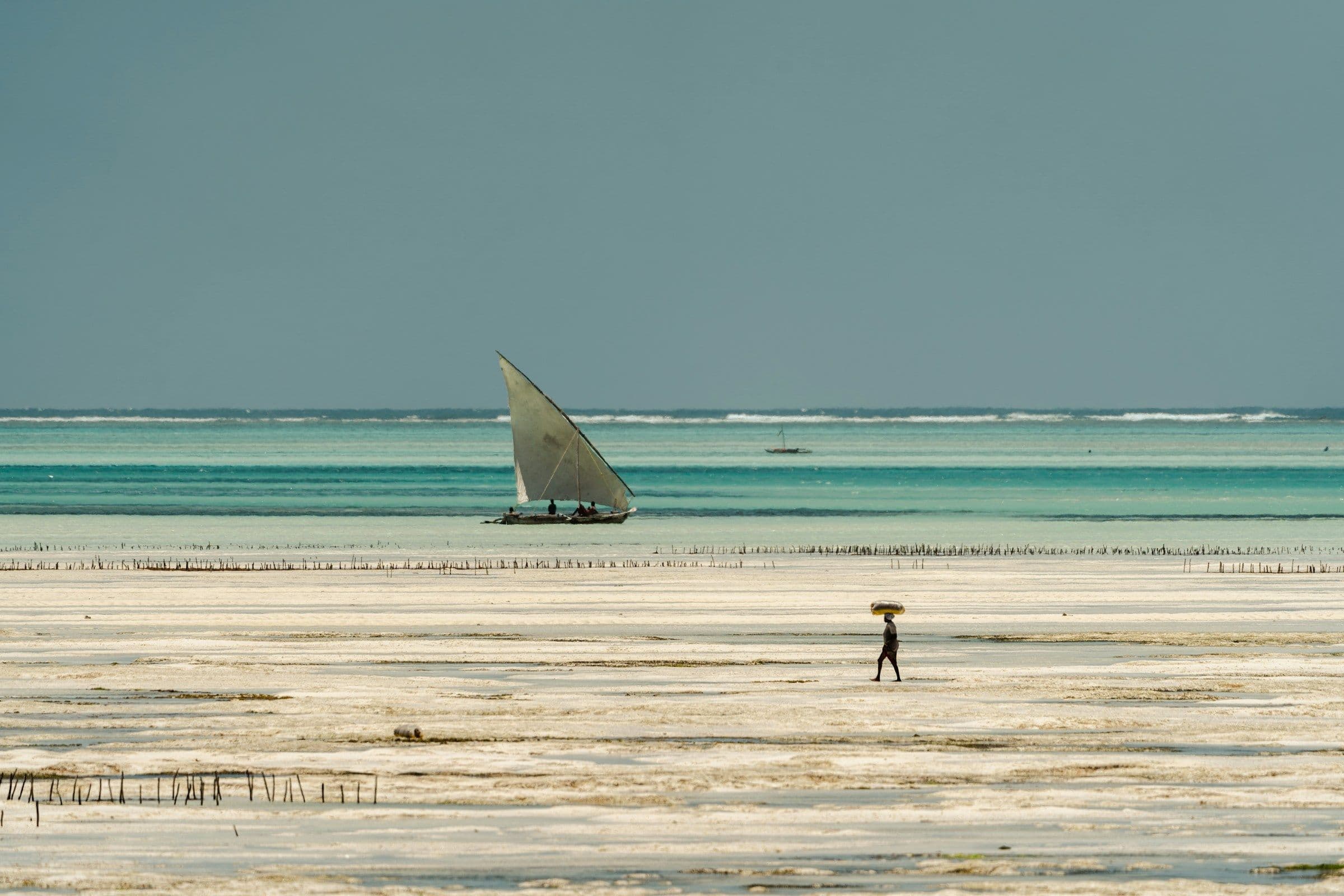
A few days on the coast after a safari balance early starts with slow mornings. Tanzania’s safari areas combine naturally with Zanzibar, Kenya’s with its Indian Ocean coast, and South Africa’s with Mauritius or the Seychelles. Victoria Falls fits well with Botswana or Zambia, and Cape Town with a South African safari.
Most people prefer to finish with the beach rather than start with it. We can help you work out how the flights connect and how many nights each part of the trip needs.
How Auria can help
A safari involves a lot of choices: countries, parks, camps, seasons, flights and connections. Tell us what you most want to see, how you like to travel and the budget you have in mind, and our travel professionals can build a tailor-made safari around it: which camps and in what order, the flights and transfers between them, and a few days on the coast to finish if you would like them. Where an established safari from a tour operator fits better, we will recommend that instead.
We look after the booking and are there to answer questions before you travel, from luggage allowances to what to expect on your first game drive.
Current Safari Offers
Below is a selection of current safari holidays from Auria. It is not every safari we can arrange, so if you have a particular country, camp or combination in mind, tell us and we will help you find something suitable.
Not sure which safari is right for you?
Tell us what you would like to see and who is travelling, even if it is only a rough idea, and one of our travel professionals will talk it through with you.