Japan
A country of contrasts, best seen as a journey joined up with care.
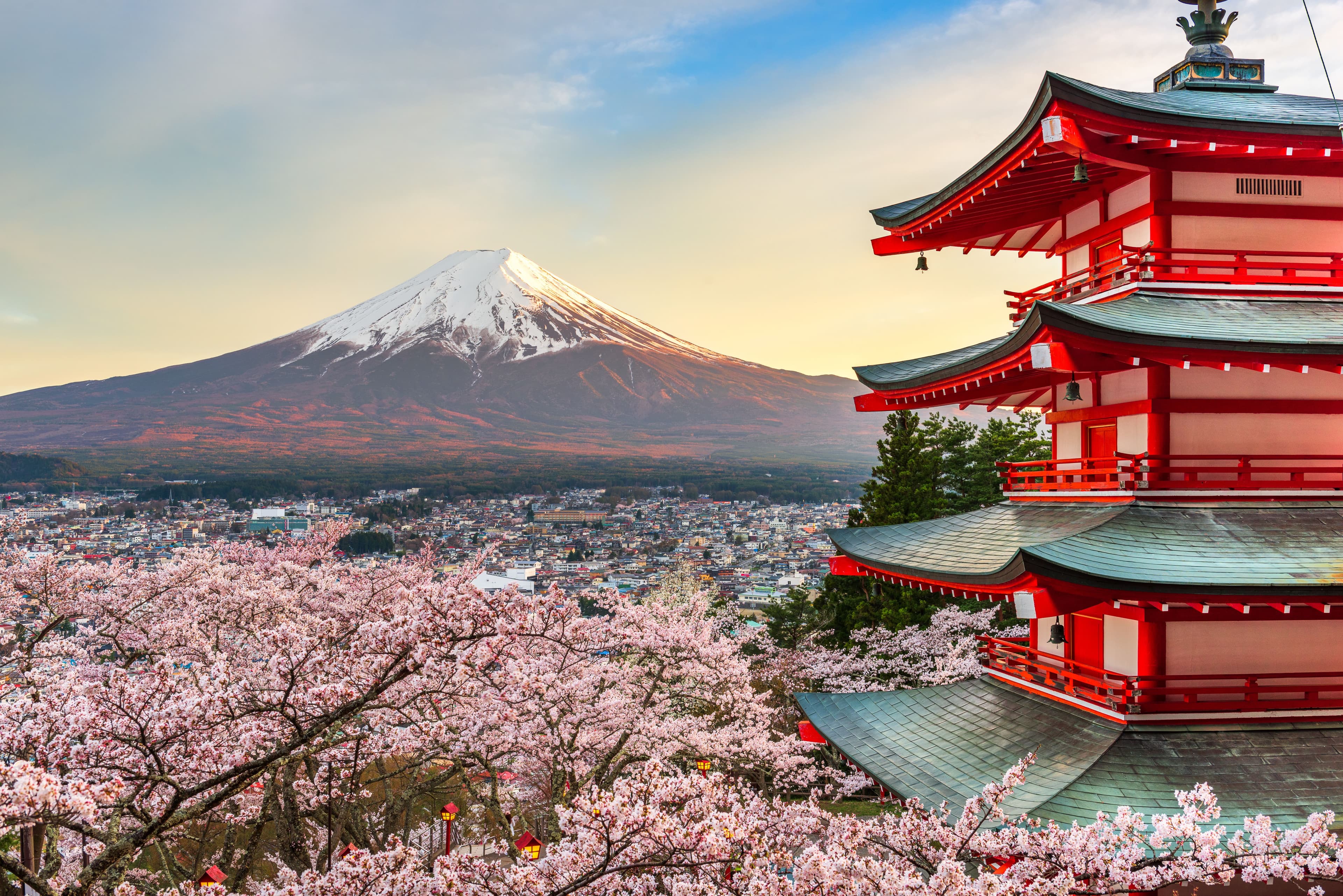
Japan is a country where contrast is the point. A morning among the towers and crossings of Tokyo can be followed, a little over two hours later by bullet train, by an evening in the lantern-lit lanes of Kyoto.
Beyond those two cities are mountain villages, hot-spring towns, castle cities, islands and coastlines, and a food culture that runs from a bowl of noodles at a station counter to a long kaiseki dinner in a traditional inn. Most first visits try to see a little of several of these, which is why the route matters as much as the places.
Auria Travel is an independent UK travel agency, and we arrange holidays to Japan in whichever way suits you: an escorted tour from a tour operator, a cruise that calls at Japanese ports, or a tailor-made journey planned around the places you want to see.
How Auria can help you travel in Japan
You do not need to have found a package first. You might come to us with nothing more than “we’d like to see Tokyo and Kyoto, and experience more than the obvious sights”. That is enough for our travel professionals to start from.
If an escorted tour already covers what you have in mind, we will help you compare itineraries, group sizes and what each includes, then book it for you, with flights from the airport that suits you. If you would rather travel independently, we can put the journey together: the flights, the hotels and traditional inns, the rail travel between them and how many nights to give each place.
For more involved trips we can work with trusted local experts in Japan, who know the country and help the separate parts join up: someone to meet you at the airport, a private guide for a day in Kyoto, luggage sent ahead to your next hotel so that you travel light, a tea ceremony or a cooking class arranged in advance. Not every trip needs this. Where it helps, it means you spend your time in Japan enjoying it, not working it out.
Ways to see Japan
- Escorted tours
- A set route with a tour manager and local guides, and the travel between places taken care of. A good way to see a lot on a first visit.
- Independent journeys by rail
- Your own route at your own pace, with hotels chosen for you and the train journeys planned in between.
- Luxury and ryokan stays
- City hotels with a view, and nights in a ryokan, a traditional inn with hot-spring baths, tatami rooms and dinner served in courses.
- Family holidays
- Easy to get around with children, with plenty for them: theme parks, animation museums, castles and the bullet train itself.
- Cruises
- Cruises around Japan call at ports that are harder to reach overland, and a few nights in Tokyo before or after make more of the journey.
Tailor-made and multi-centre Japan
Japan suits a journey of several stops, because the fast trains make it practical to combine very different places in one trip. Planning around your brief means the route follows your interests and not a fixed itinerary: more time for food, gardens, art, walking or modern Japan, as you prefer.
The classic first visit
Tokyo and Kyoto, with a night or two in Hakone or near Mount Fuji on the way between them.
Adding the Alps
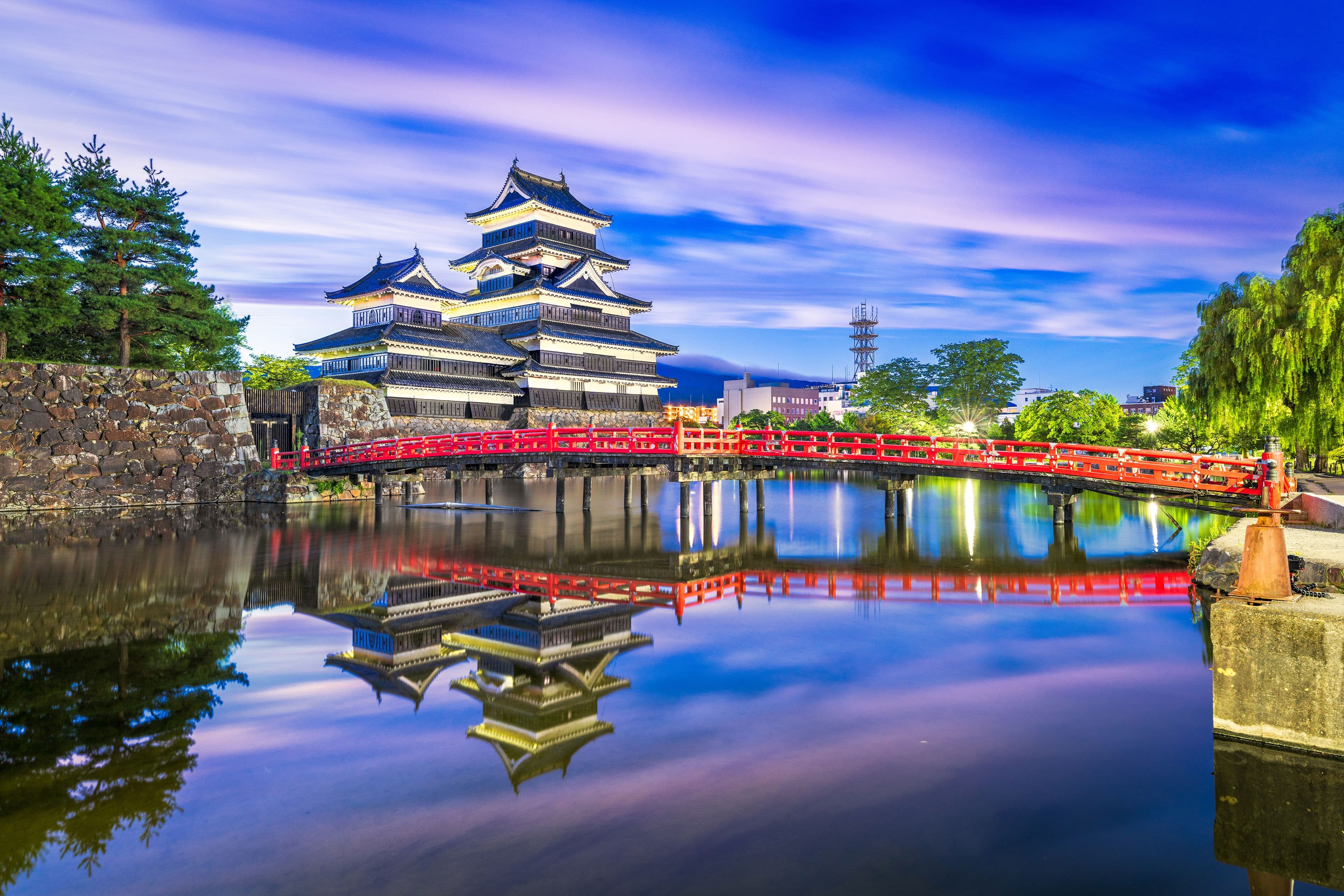
Kanazawa, Takayama and the thatched villages of Shirakawa-go, between Tokyo and Kyoto, for castle towns, crafts and mountain scenery.
West to Hiroshima
From Kyoto or Osaka on to Hiroshima and the island of Miyajima, with Himeji Castle on the way.
North or south
Hokkaido for wide landscapes, snow and seafood, or the subtropical islands of Okinawa for a few days by the sea at the end.
A stopover on the way
A few nights in another Asian city, on the way out or the way home, to break the long flight.
Places and experiences
Where a first journey usually goes, and a few of the things that make it memorable.
Tokyo
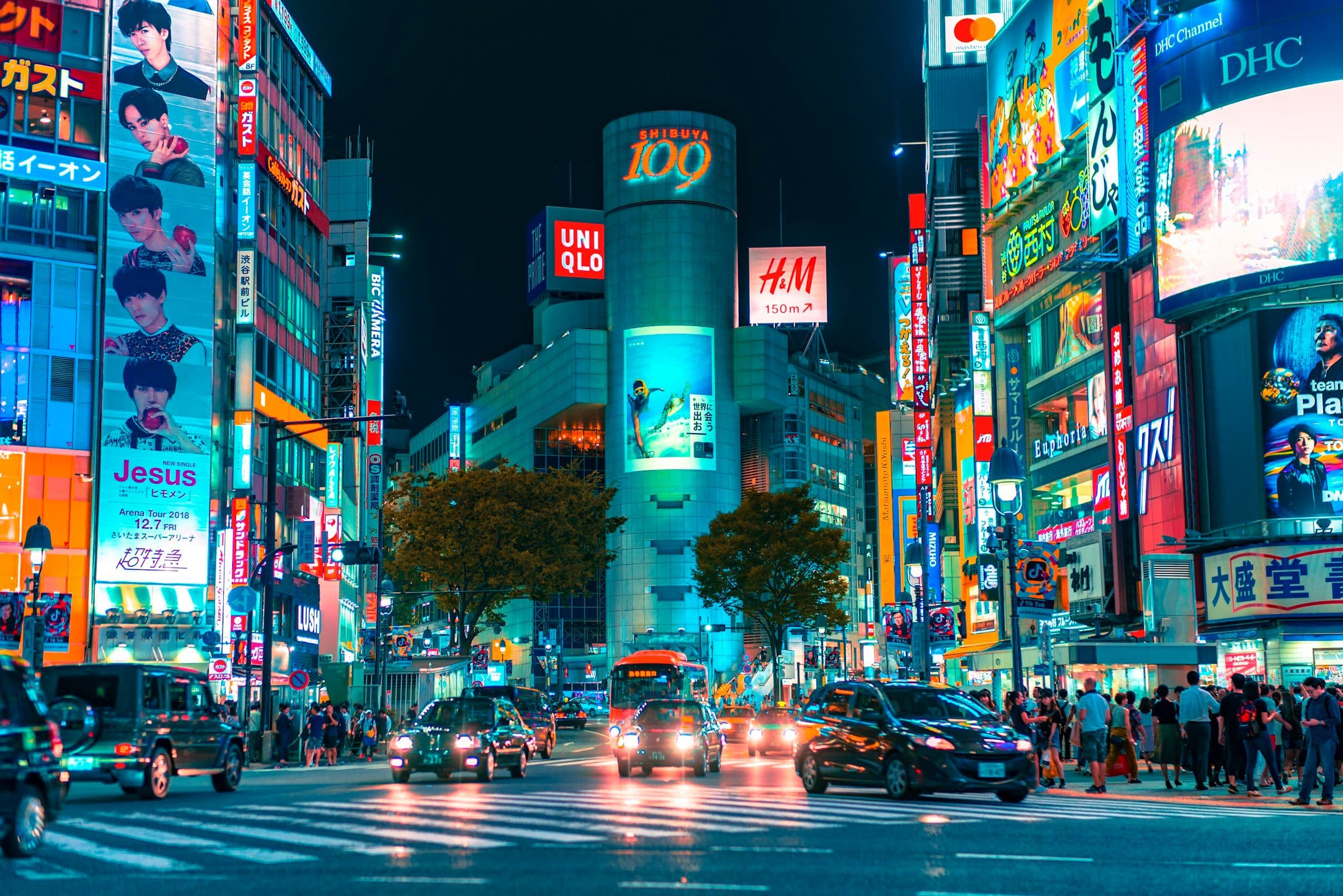
The capital is many cities in one: the crossings and neon of Shibuya and Shinjuku, the temple at Asakusa, the gardens around the Imperial Palace, and food at every level, from standing sushi bars to tasting menus. Three or four nights is a sensible start.
Kyoto
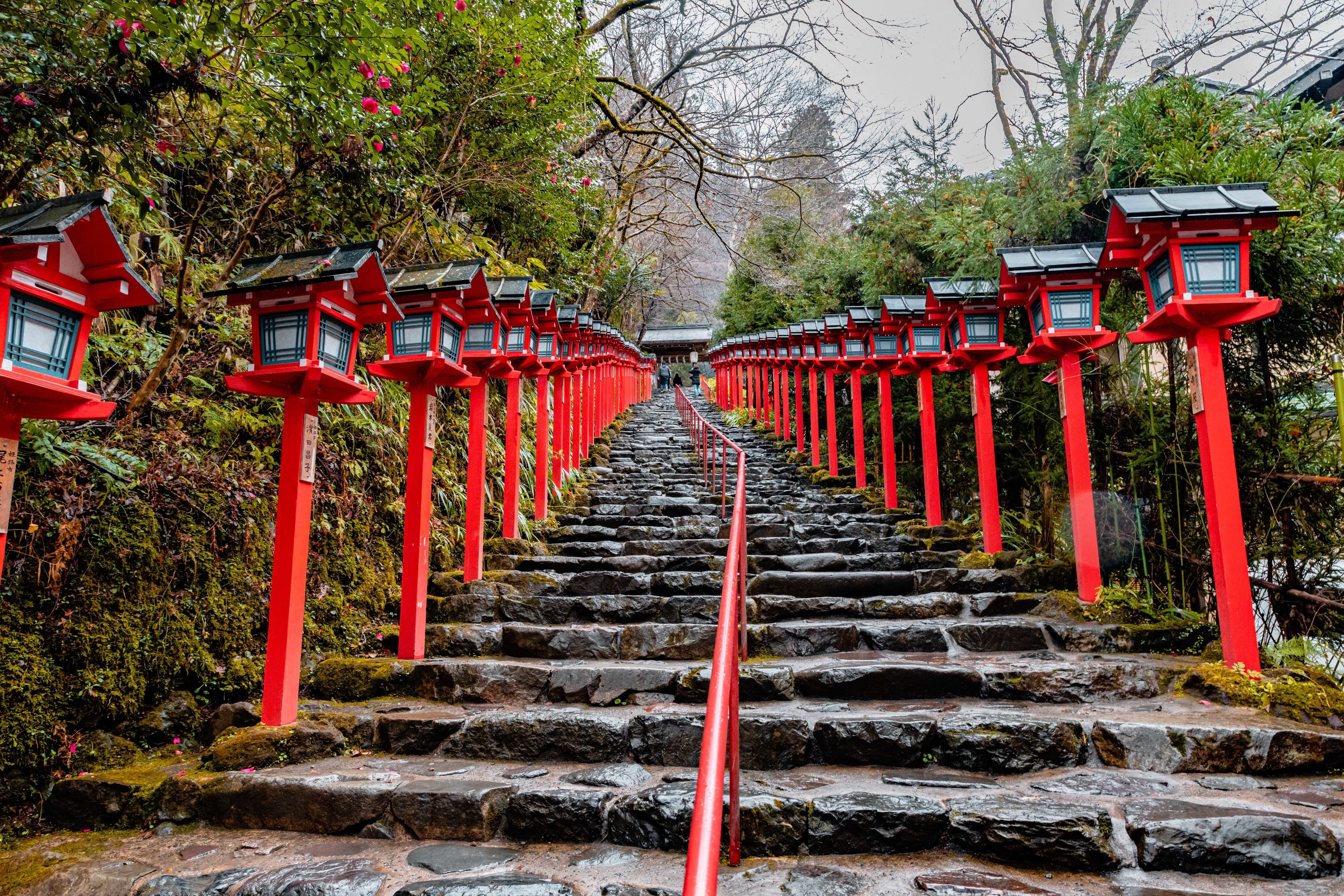
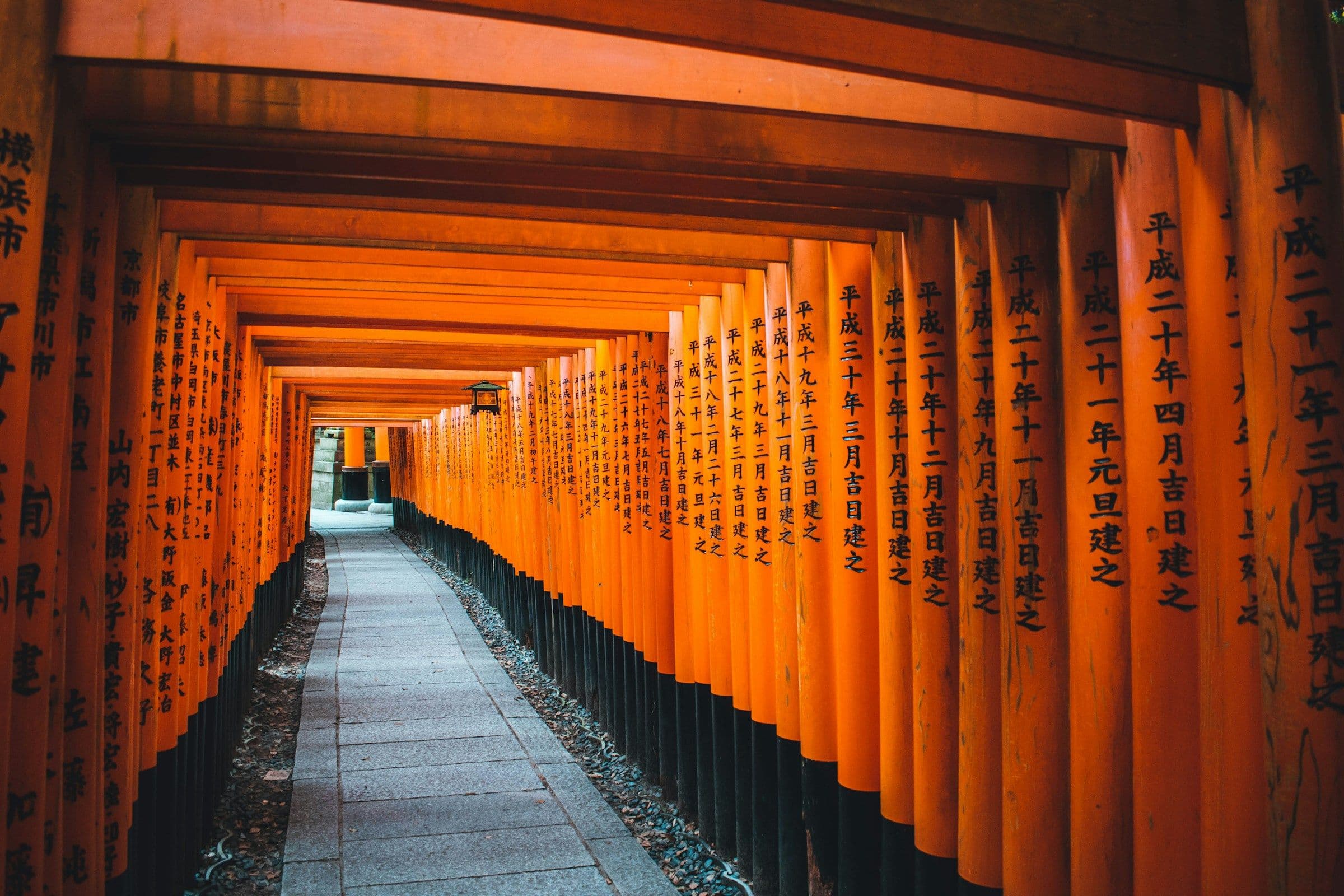
The former capital, with its temples, gardens and wooden townhouses, and the gates of Fushimi Inari climbing the hillside. Early mornings and evenings are the quietest times, and a guide can take you beyond the best-known sights.
The Japanese Alps and Kanazawa
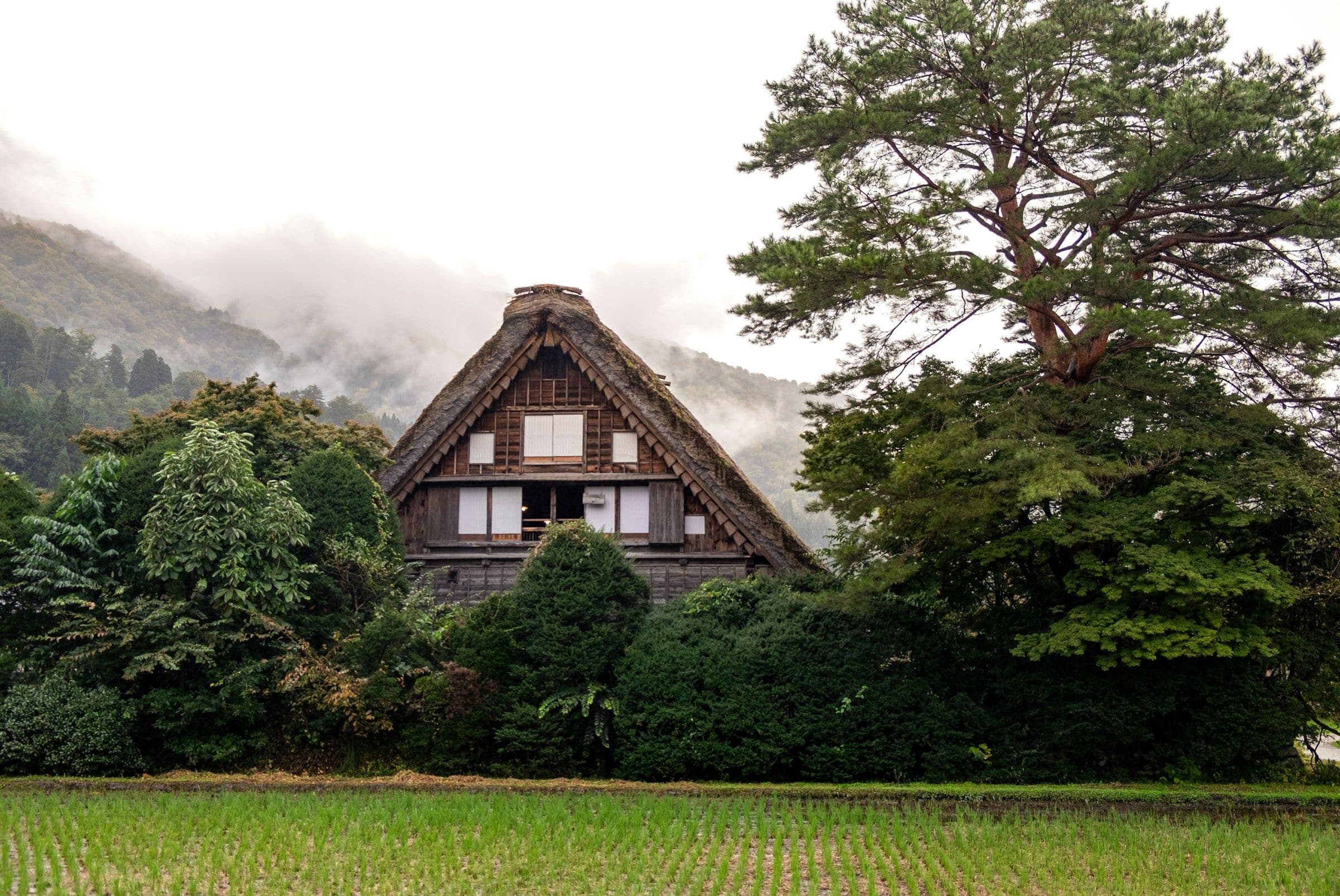
Mountain towns and villages between the two great cities: the old merchant streets of Takayama, the steep thatched roofs of Shirakawa-go, and Kanazawa, home to Kenrokuen, counted among Japan’s three great gardens.
Hiroshima and Miyajima
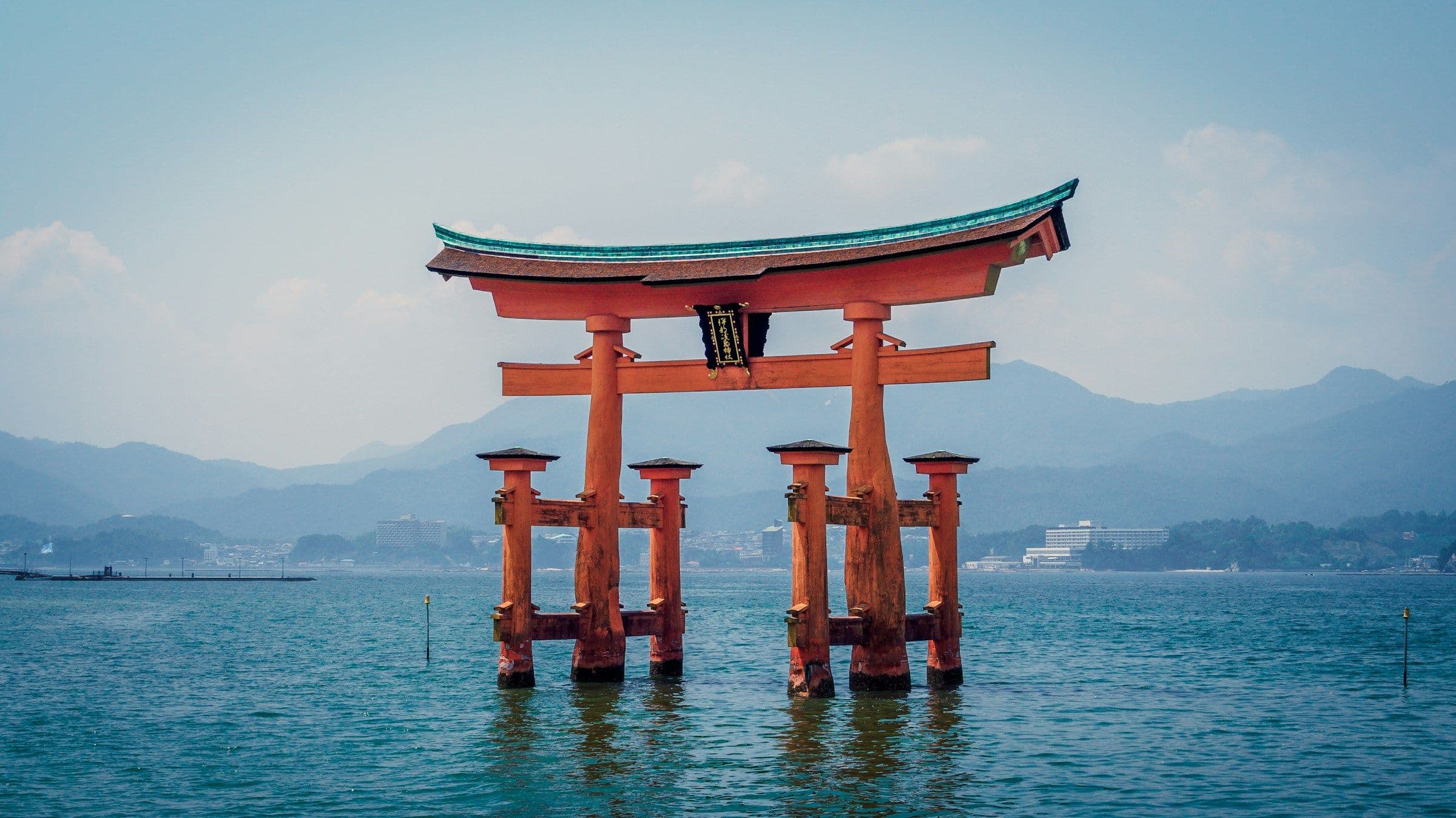
A city rebuilt around its Peace Memorial Park and, a short ferry ride away, the island of Miyajima, where the torii gate of Itsukushima Shrine stands in the sea at high tide.
- Mount Fuji and Hakone
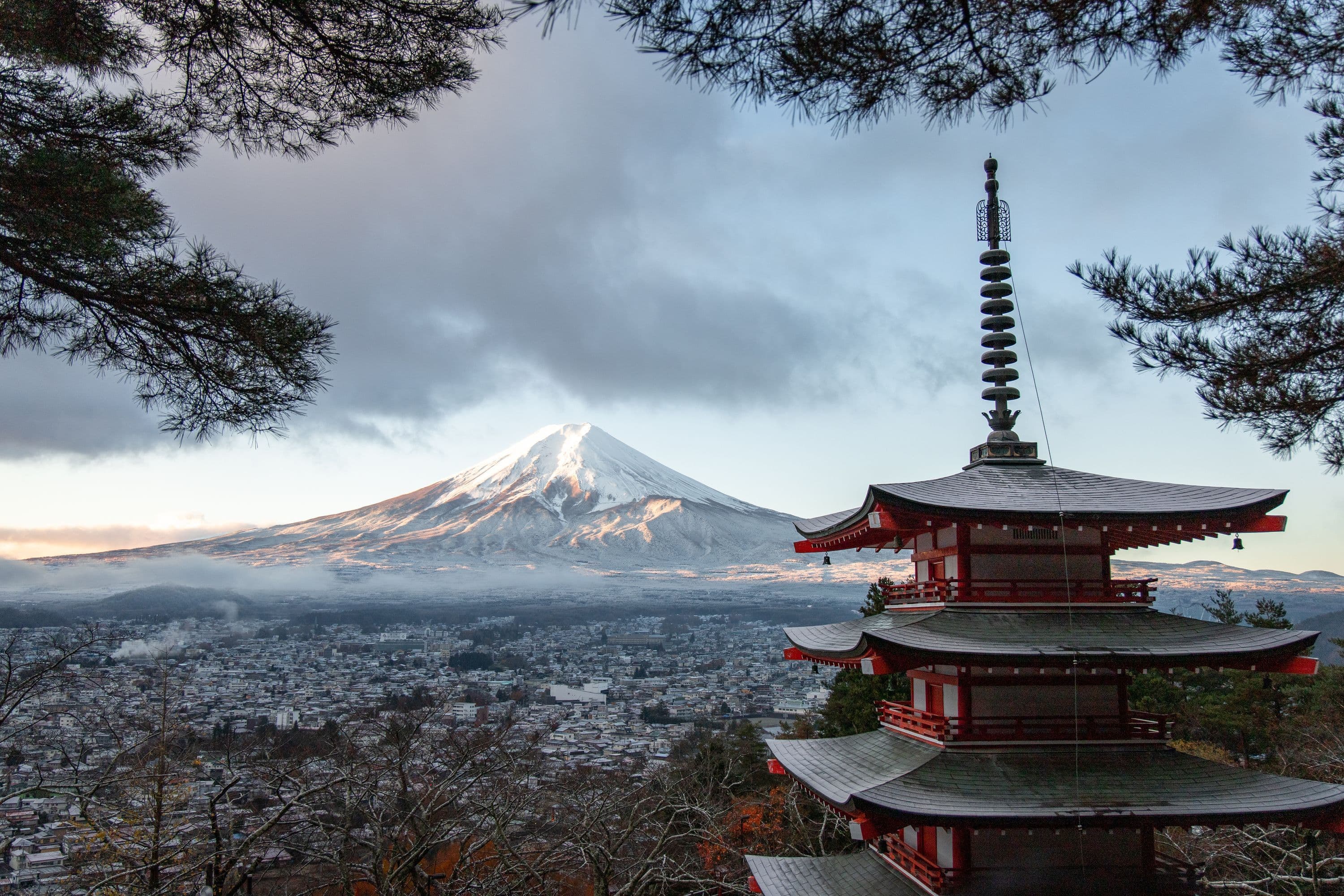
- Hot springs, lake views and, on a clear day, the mountain itself. Often a night or two between Tokyo and Kyoto. Fuji is frequently hidden by cloud, so it is best treated as a bonus.
- Food
- From a market breakfast to a kaiseki dinner. A food tour or a cooking class with a local host is an easy way in.
- A night in a ryokan
- A traditional inn: tatami floors, futon beds, hot-spring baths and dinner brought in courses. Worth planning in for at least one night.
When to go
Japan can be visited all year, and the seasons are part of its appeal. It is a long country, so the weather in Hokkaido in the north and Okinawa in the south can be very different from Tokyo on the same day.
- Spring (March to May)
- Mild, and known for cherry blossom, which moves north through the country over several weeks. The dates shift from year to year, and it is the busiest and most expensive time, so it needs booking well ahead.
- Summer (June to August)
- Hot and humid, with a rainy season in most of the country around June and early July. Good for festivals, the mountains and Hokkaido, which stays cooler.
- Autumn (September to November)
- Warm days, then cooler, with autumn colour spreading from the north and the mountains. Early autumn can bring typhoons. Late autumn is almost as popular as spring.
- Winter (December to February)
- Cold and often clear in Tokyo and Kyoto, with fewer visitors. Deep snow in Hokkaido and the Alps for skiing, and a good season for hot springs.
Planning your trip
A few things that shape a Japanese itinerary.
- How long
- Ten days to two weeks suits a first visit to several places. A week is enough for Tokyo and Kyoto alone.
- How many places
- Three or four bases in two weeks is comfortable. More than that and the days become mostly travel.
- Getting around
- The bullet trains link the main cities quickly: Tokyo to Kyoto takes a little over two hours. Some rural areas are easier with a driver or a guide.
- Luggage
- Trains have limited space for large cases. Sending bags ahead from one hotel to the next is common in Japan, and we can arrange it.
- Flights
- The flight from the UK takes around fourteen hours direct, and longer with a change. Arriving in one city and leaving from another saves doubling back.
- Booking ahead
- Cherry blossom and autumn-colour dates fill early, as do sought-after inns and restaurants. The earlier we start, the more choice there is.
Related holiday types


Thinking about Japan?
Tell us the places you would like to see, the kind of experiences you have in mind, roughly when you would like to travel and who is going. If you are not sure yet, tell us what has made you think of Japan and we will suggest a route.