New Zealand
A country where the journey is the holiday. Plan the route well, and leave room to stop.
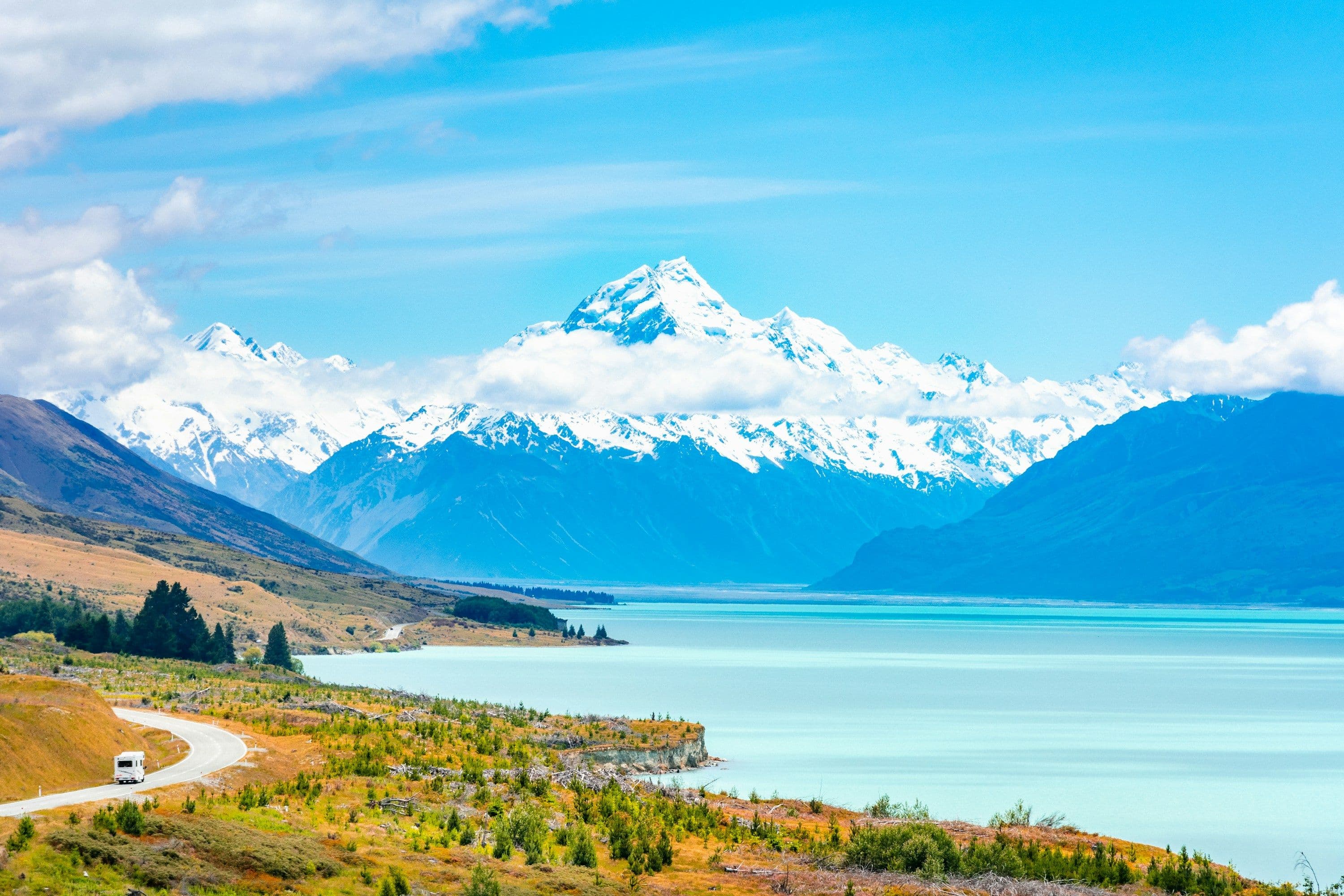
New Zealand is a little larger than the United Kingdom, with far fewer people and a great deal more scenery to the mile. Volcanoes and hot springs, vineyards, beaches, glaciers, fiords and high mountains all lie within a day or two’s travel of each other, and the roads between them are part of the pleasure. This is a country where the journey is the holiday.
It is also two islands with different characters. The North Island has the largest city, Auckland, the geothermal country around Rotorua and the capital, Wellington. The South Island has the Southern Alps, the lakes, Queenstown and Fiordland. Each rewards time, and the commonest mistake is trying to fit too much in.
Auria Travel is an independent UK travel agency, and we arrange holidays to New Zealand in the way that suits you: an escorted tour from a tour operator, a ready-planned self-drive, or a tailor-made route of your own, with Australia or a stopover in Singapore added if you wish.
How Auria can help you plan the route
A New Zealand holiday is mostly a question of route: one island or both, where to start and finish, how far to drive in a day, where to stay two nights and where one will do. Tell us how you like to travel and what you most want to see, and our travel professionals will work out a route that fits the time you have.
If an escorted coach tour or a self-drive itinerary from a tour operator already covers it, we will find it and book it, with your flights. For many people that is exactly right: the route has been tried and the hotels are in the right places.
If you would like something of your own, we can put the journey together: the car or the motorhome, the places to stay along the way, the ferry or the flight between the islands, and the experiences that need booking ahead, from a cruise on a fiord to lunch at a vineyard.
Where it helps, we work with trusted local experts in New Zealand, who know which drives take longer than the map suggests and which small lodges are worth the detour, and who can arrange a guide for a walk, a boat trip, a scenic flight or a visit hosted by the people whose place it is. Plenty of travellers want none of that, only a good car and a sensible plan, and that is what we will arrange.
Ways to see New Zealand
- Self-drive
- The way most independent visitors travel: a hire car, a planned route and places to stay booked ahead. Roads are quiet and well kept, and you drive on the left.
- Motorhomes
- Your transport and your bed in one, with holiday parks in scenic spots throughout both islands.
- Escorted tours
- A coach tour with a tour manager and a driver, for those who would rather watch the scenery than the road.
- Scenic trains and the ferry
- A few scenic rail journeys, among them one across the Southern Alps, and the ferry between the islands can each replace a day’s driving.
- Walking and the outdoors
- Day walks and longer tracks, kayaking, cycle trails and, in winter, skiing. As gentle or as energetic as you like.
- Lodges
- Country lodges with a handful of rooms, good food and wine, and hosts who help plan your days. A night or two makes a memorable finish.
- Family holidays
- Short drives between very different things to do: beaches, boat trips, hot pools, wildlife and wide open space.
Tailor-made routes, one island or both
There is no single correct route through New Zealand. The same two weeks can be a relaxed loop of one island or a faster run through both, and each is a good holiday for a different person. Planning around your brief means the route suits your pace, your interests and the time of year.
Some of the shapes a trip can take:
Both islands, north to south
Auckland, Rotorua and Wellington, the ferry to the South Island, then the west coast or the lakes down to Queenstown. Fly home from the south.
A South Island circuit
Christchurch, the mountains and lakes, Queenstown, Fiordland, and back by the coast or the wine country. The landscapes many people come for, at a pace that lets you stop.
The North Island in depth
Auckland and its islands, the Bay of Islands, geothermal Rotorua, the vineyards and art deco streets of Hawke’s Bay, and the capital.
A tour, then a lodge
An escorted tour or a self-drive, with two or three nights somewhere special at the end.
New Zealand and Australia
A fortnight in New Zealand with a week in Australia before or after. Sydney is a flight of around three and a half hours from Auckland.
A stopover in Singapore
Two or three nights in Singapore, to break the longest journey most of us ever make.
Places and experiences
From north to south, the places a route is usually built from.
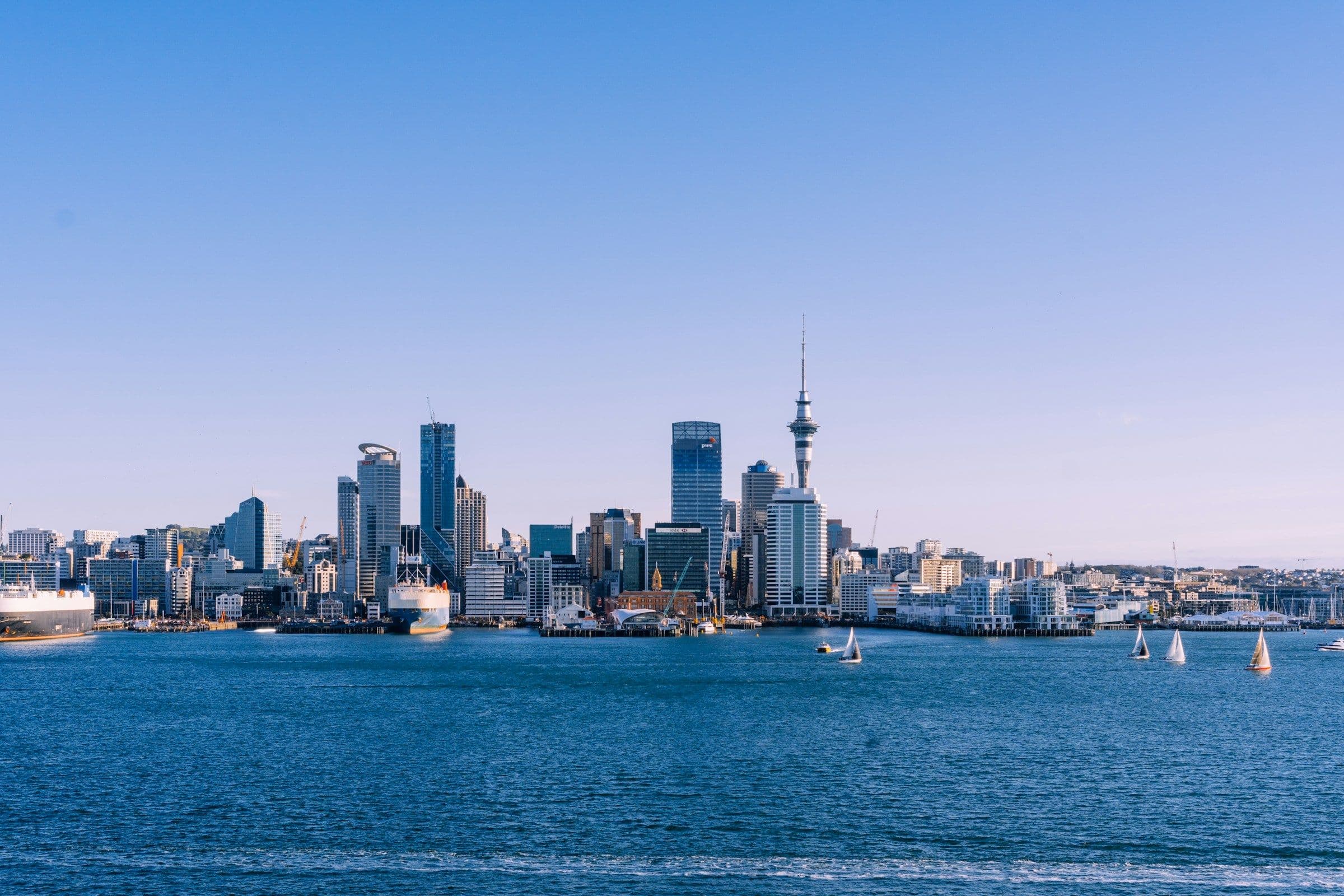
Auckland and the north
A city spread between two harbours, with islands a ferry ride away, among them Waiheke and its vineyards. Further north is the Bay of Islands, for sailing, beaches and Waitangi, where the treaty between Māori chiefs and the British Crown was first signed in 1840.
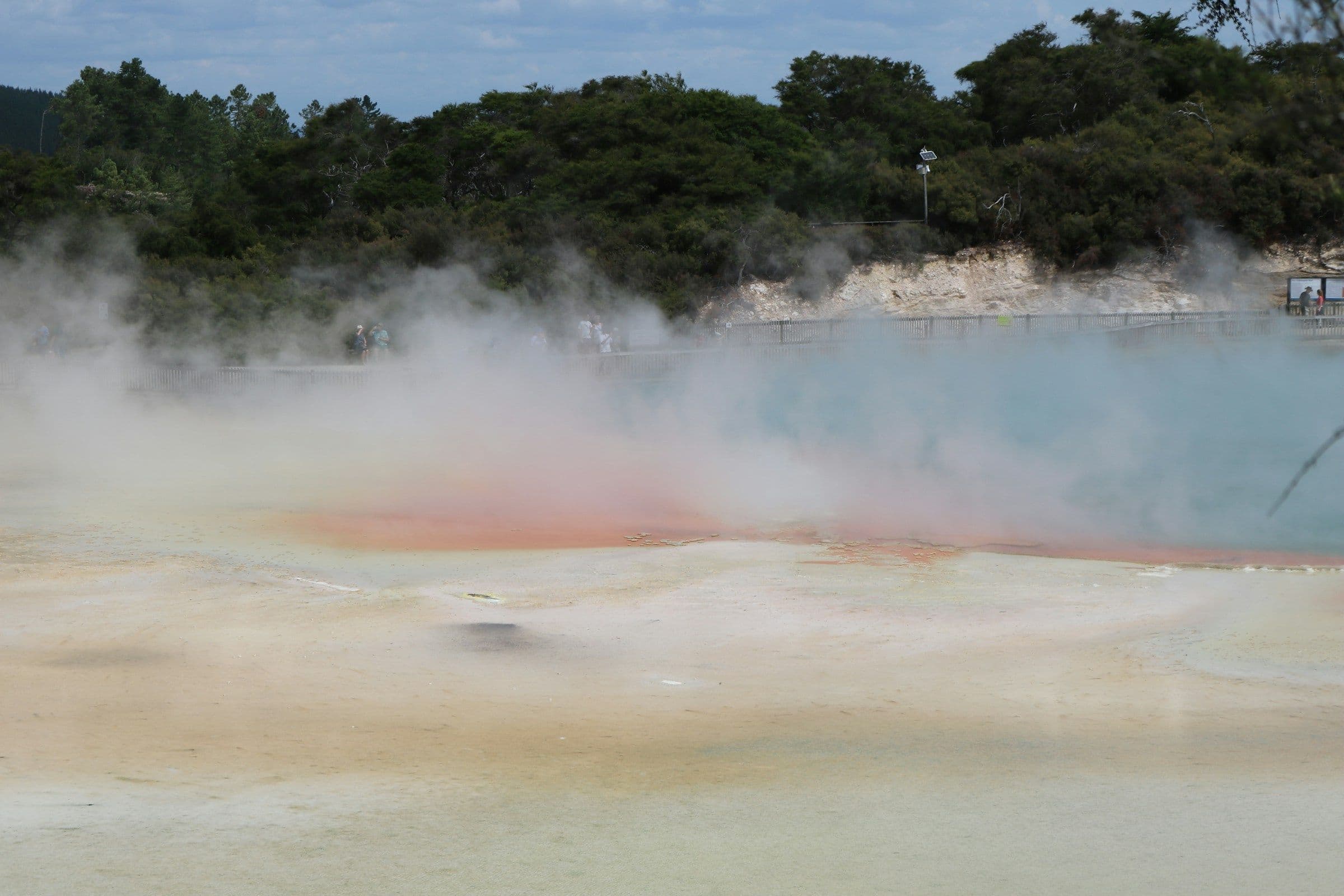
Rotorua and the volcanic centre
Geysers, boiling mud and steaming pools coloured by minerals. Rotorua is also a centre of Māori culture, the home of the Te Arawa people, where Māori-owned villages and cultural centres welcome visitors. Lake Taupō and the volcanoes of Tongariro National Park lie to the south.
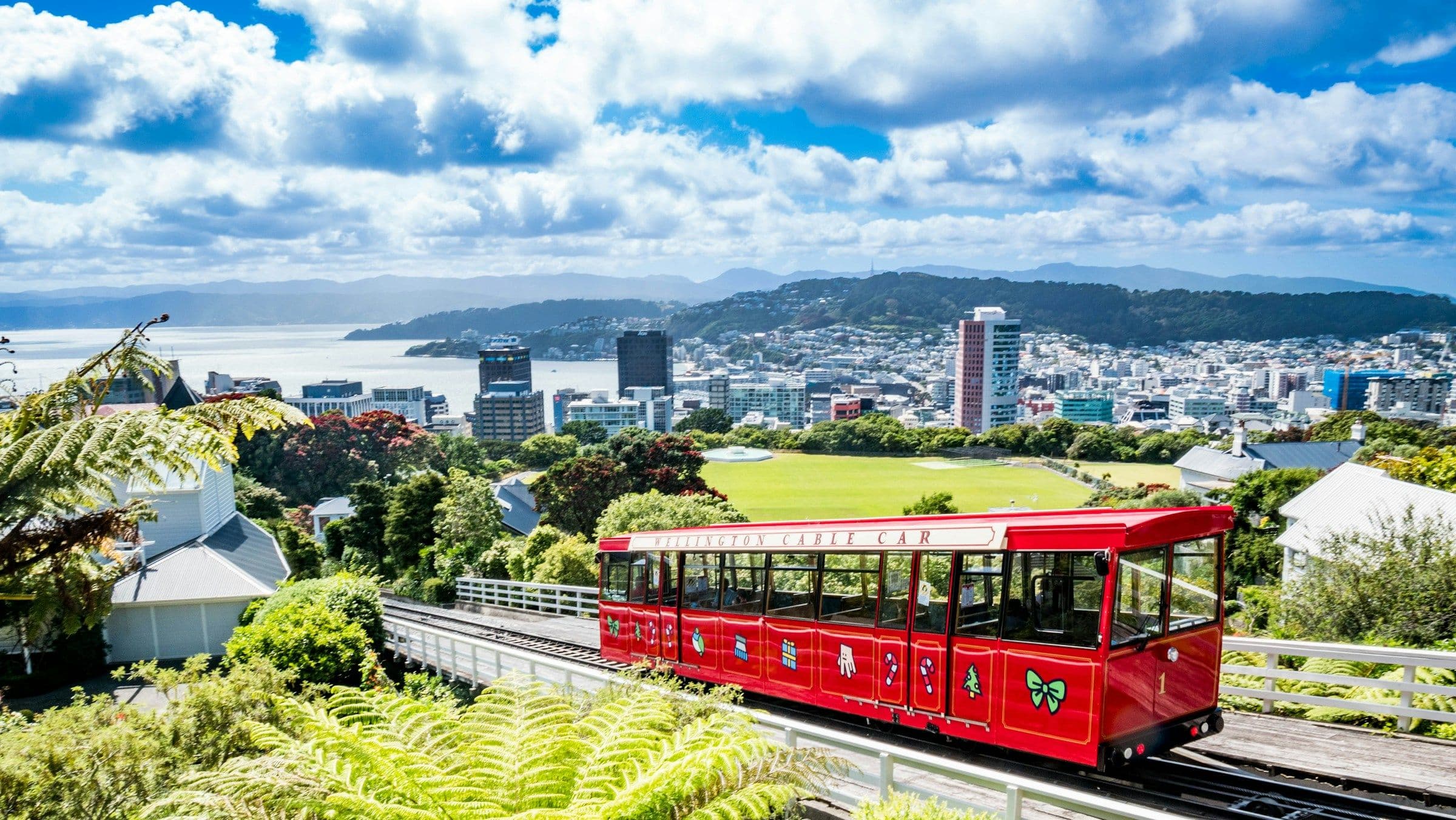
Wellington
The compact, hilly capital on its harbour, with the national museum, Te Papa, a lively food and coffee scene and the ferry terminal for the South Island.
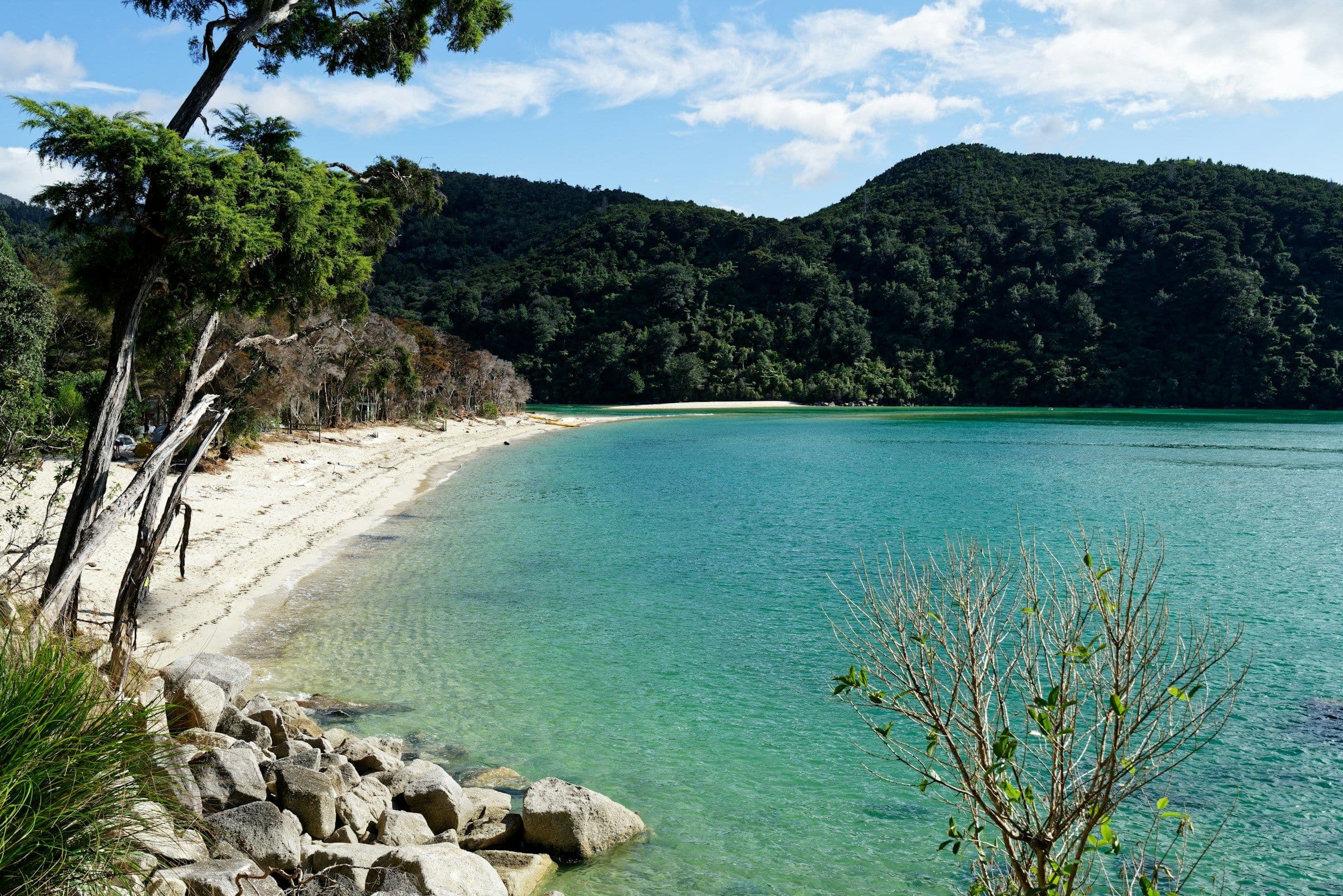
Nelson, Marlborough and Abel Tasman
The sunny top of the South Island: golden beaches and coastal walks in Abel Tasman National Park, and the vineyards of Marlborough, where most of the country’s sauvignon blanc is grown.
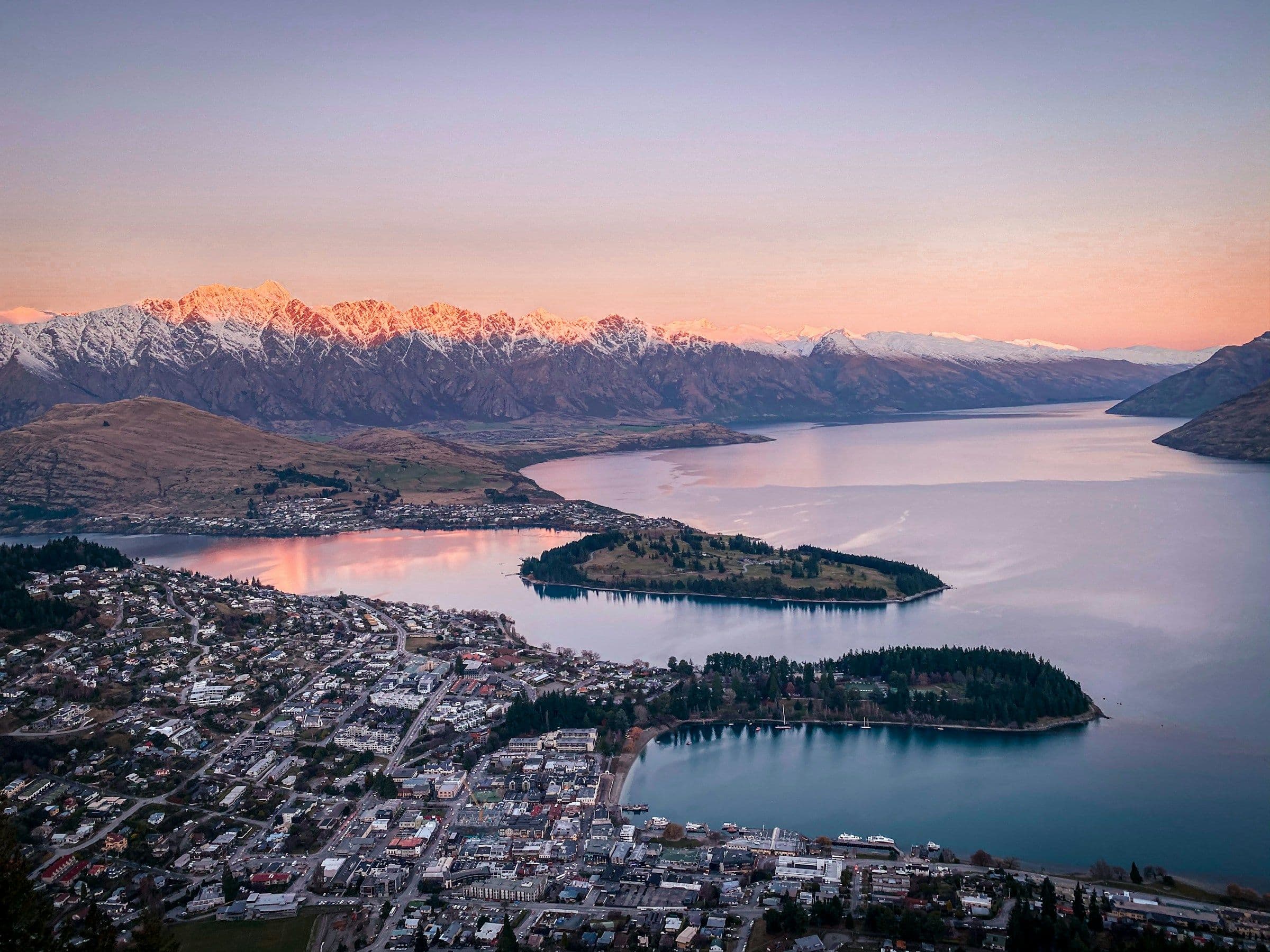
Queenstown and the lakes
A lakeside town ringed by mountains, known for adventure sports and equally good for doing very little. Wānaka and Arrowtown are close by, with the vineyards of Central Otago all around.
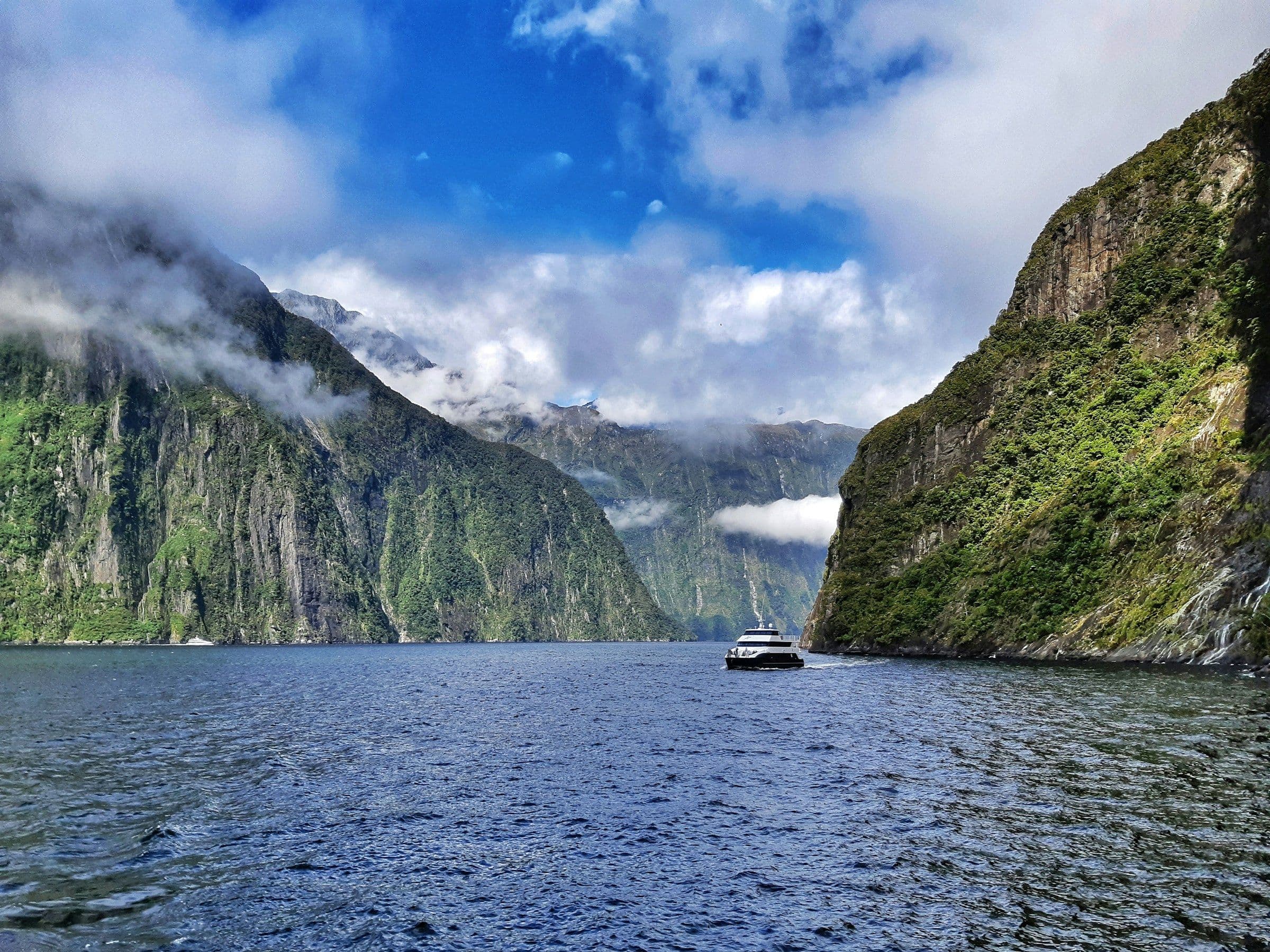
Fiordland and Milford Sound
Milford Sound, or Piopiotahi, is a fiord of sheer rock walls and waterfalls, seen by boat. The road in from Te Anau takes about two hours each way and is a highlight in itself. It rains here a great deal, which is what makes the waterfalls.
- Aoraki / Mount Cook and the Mackenzie country
- The highest mountain in the country, above turquoise glacial lakes, in an international dark-sky reserve for stargazing.
- The West Coast
- Rainforest, wild beaches and the Franz Josef and Fox glaciers, on a long, empty road between the mountains and the sea.
- Māori culture
- Māori are the tangata whenua, the people of the land, and te reo Māori, the language, and Māori culture are part of everyday New Zealand, visible in place names, in art and in the welcome visitors receive. A good way to learn more is as a guest, on a visit hosted by Māori themselves. These are offered in particular places, Rotorua and the Bay of Islands among them, and we can arrange one where it fits the route.
When to go
The seasons are the opposite of ours, and the weather is famously changeable: “four seasons in one day” is a local saying, not a complaint. The north is warmer than the south all year, and the mountains make their own weather, so pack for sun, wind and rain whenever you go.
- Summer (December to February)
- The warmest, most settled weather and the longest days. It is also when New Zealanders take their own holidays, so popular places are busy and need booking well ahead.
- Autumn (March to May)
- Often calm and clear, with autumn colour around the lakes of the south and quieter roads. Many people who know the country choose these months.
- Winter (June to August)
- Snow on the mountains and skiing around Queenstown and Wānaka. Mild in the far north and cold in the south, with some high roads affected by snow and ice.
- Spring (September to November)
- Lambs, blossom and waterfalls at their fullest, with changeable weather and snow still on the peaks.
- Rain
- The west of the South Island, including Fiordland, is among the wettest parts of the country; the east is much drier. A wet day at Milford Sound is common, and dramatic.
Planning your trip
New Zealand looks small on a map. Driving it is another matter.
- One island or two
- With under two weeks, one island seen properly is usually the better holiday. With two and a half to three weeks, both are comfortable. That is a guide, not a rule.
- Driving times
- Roads are good but mostly one lane each way and often winding, so journeys take longer than the distance suggests. Three to four hours’ driving in a day leaves time to stop, which is the point.
- Between the islands
- The ferry from Wellington to Picton takes about three and a half hours and carries cars, though many hire companies ask you to leave one car and collect another. A short flight is the alternative.
- One-way routes
- Arriving in Auckland and leaving from Christchurch or Queenstown, or the reverse, avoids driving back the way you came.
- Milford Sound
- A long day by road from Queenstown, around four hours each way. Staying in Te Anau the night before, or flying one way, makes it a better day.
- Booking ahead
- Summer accommodation in small places fills early, as do the well-known walks and the lodges. Motorhomes are in short supply at the busiest times.
- The flight
- About as far as it is possible to fly from the UK: more than a day of travelling, with at least one stop. A stopover on the way is well worth it.
Related holiday types
Thinking about New Zealand?
Tell us how long you have, whether you would rather drive yourselves or be driven, and what you most want from the trip: scenery, walking, wine, culture, a bit of everything. Tell us roughly when, and who is going. We will suggest a route, an honest pace, and whether to add Australia or a stopover.